When I initially auditioned for CCM, I had no idea what verticals were, but I knew I wanted to act in TV and film. My family and I did not watch many stage shows growing up, and before I was a teenager, I was quite unfamiliar with theatre itself. What I did watch growing up was film and TV. I watched older American shows and sitcoms like The Andy Griffith Show and Frasier, and I was very inspired by actors like Don Knotts and David Hyde Pierce. Physicality within acting was very interesting to me. With verticals, I found that there is a bit of a physical theatricality within the digital storytelling. You move more than you would in a close up, and it is a very different feeling than working on a short film. I’m glad to have joined a program that also focuses on digital and vertical storytelling because I think that’s where the future is heading. Most people can see how attention spans are getting shorter for audiences, and vertical storytelling makes me wonder, how long can I keep someone entertained? I hope to answer that question by further exploring the work we’ve done in our program.
Inside the Digital Performance Lab: A Student’s Perspective on Vertical Storytelling
posted onVertical storytelling is often discussed from the outside—through platforms, analytics, and industry trends. But to truly understand its impact, we also need to listen to the people learning and creating inside these spaces.
Following my first feature on the Digital Performance Lab with director D’Arcy Smith, this second article shifts the focus to a student perspective. What does it actually feel like to train for vertical storytelling? How does it change the way young actors approach performance, storytelling, and the industry as a whole?
In this interview, Dinithi Kaushani, a student from the Digital Performance Lab shares her journey into digital performance, from discovering vertical formats to navigating the fast-paced demands of short-form storytelling. Her insights highlight how this kind of training shapes confidence, adaptability, and creative decision-making—skills that are becoming increasingly essential in today’s evolving entertainment landscape.
This conversation offers a grounded, honest look at what vertical storytelling means for emerging actors—not as a trend, but as a serious craft worth learning.
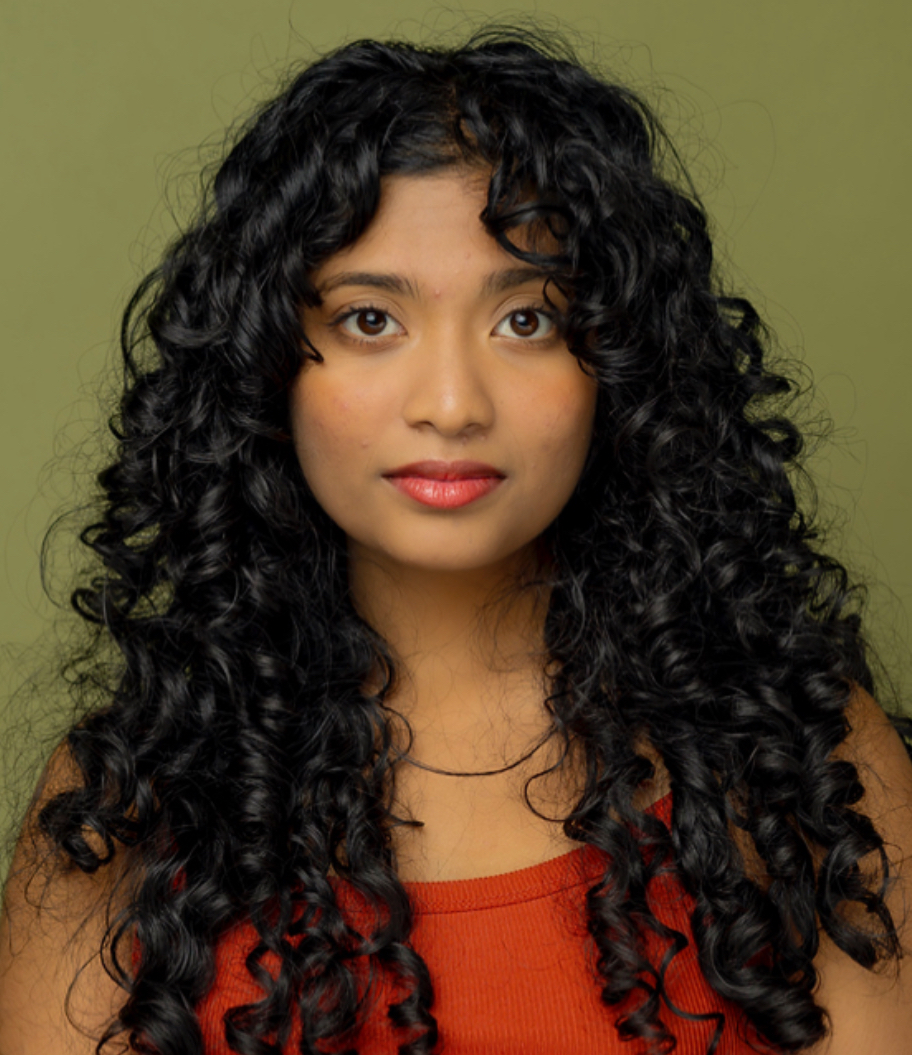 Dinithi Kaushani
Dinithi Kaushani
Interview with Dinithi Kaushani
Movement is obviously restrained more than movement for stage. You barely move your legs, but movement in the arms can help the storytelling. In traditional film, eyes are everything. With verticals, I think facial expressions are a little bit bigger. You don’t move as fast as you can on stage, and similar to film, listening and then reacting is crucial. How fast everything is filmed is also different. You could film multiple episodes in one day whereas traditional films can take months to complete.
Making choices with such little time. It’s an actor’s job to make choices. If you don’t come with choices, whether it’s an audition, table read, or a performance, you’re not really doing your job. Because I wasn’t used to how verticals were filmed, I felt like I had to think about a lot while making my choices. There’s almost no rehearsal time, which I appreciated because I know traditional film is like that as well. I like the practice, but I admit, it was difficult at first. I think verticals can be a perfectionist’s nightmare because you’re not going to do ten different takes of the same scene, so I learned to make my choices fast and trust my work.
I think being involved in writing a vertical can make it easier to act because I would know what type of reactions I’d want certain characters to have. I can picture it in my mind since I am the creator. If I’m not writing, sometimes my choices are not exactly what a director or writer may want for their project. Usually, if that’s the case, a little discussion solves the problem. I didn’t help write any verticals we filmed in class, but I started to write one on my own. Writing on my own helped me understand the style of acting a little better because I could think of scenes in terms of a whole and not in terms of just my character.
Procedural drama. I only had one scene in the procedural drama vertical that we did, but I just had fun with the stakes. I like mysteries, and I’d like to act in similar dramas in the future.
When it comes to writing, there’s just a lot more I want to say. I have to figure out how to tell a complete story in such a short amount of time. Acting wise, I found it difficult to separate stage, traditional film, and vertical acting. I had to remind myself to study the genre as well as how verticals are filmed differently. I also got anxious about keeping people’s attention. What choice can I make that will keep people from swiping to the next reel or story? That was a question that was constantly on my mind.
Yes, I do. If I’m acting on a vertical set, I’m confident that I will know how to professionally do my job.
If I’m being honest, I’m not a huge consumer of vertical dramas. This experience changed the way I look at them because I just think the stories can be better. I’m excited to see how the writing for them can change in the future, and I’m excited to see what stories can be told.
It depends. I like to hear what actors want out of a program first before I recommend any programs. If you want training for film, stage, motion capture, and different avenues within acting, then I would recommend our program. I would also recommend it if you want to create your own work because our program teaches us how to do that as well. If you’re interested in acting, but you also want to take a bunch of different electives in other majors, a conservatory program may not be for you.
Informative, Inspiring, Challenging.
When my 6’4 classmate, Dash Green, had to sit on a stool to be in frame with me. He’s the tallest in class, and I’m the shortest. It was just so odd and funny. I had a good time!
A SITCOM! I think the professors and students alike would have Jim-like reactions to the camera.
What stands out most from this conversation is not just the technical training, but the mindset it fosters. Working in vertical storytelling forces actors to trust their instincts, commit quickly, and understand storytelling as a whole—not just their individual role within it.
The Digital Performance Lab doesn’t position verticals as a replacement for stage or traditional film, but as an expansion of what performance can be. By exposing students to multiple formats—film, motion capture, writing, production, and short-form storytelling—it prepares them for an industry that increasingly values versatility and initiative.
Hearing directly from a student reinforces what became clear in the first feature: this kind of program isn’t just responding to industry change, it’s actively shaping the next generation of performers. And whether vertical storytelling becomes a stepping stone or a long-term path, the skills gained here—speed, clarity, confidence, and creative ownership—are likely to remain invaluable.
As vertical formats continue to evolve, voices like these remind us that the future of digital storytelling is being built not only by platforms and algorithms, but by the artists learning how to work within—and beyond—the frame.