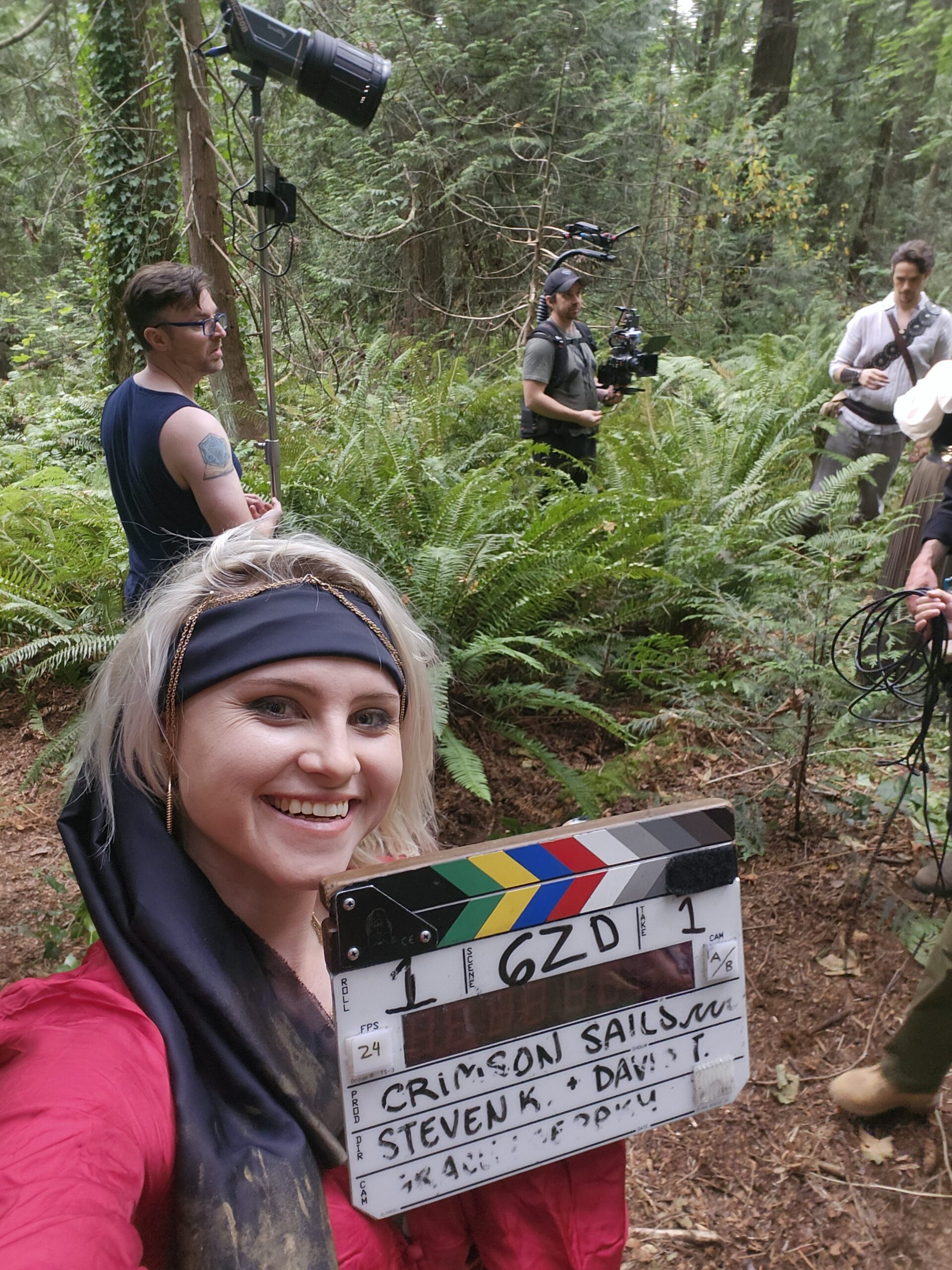
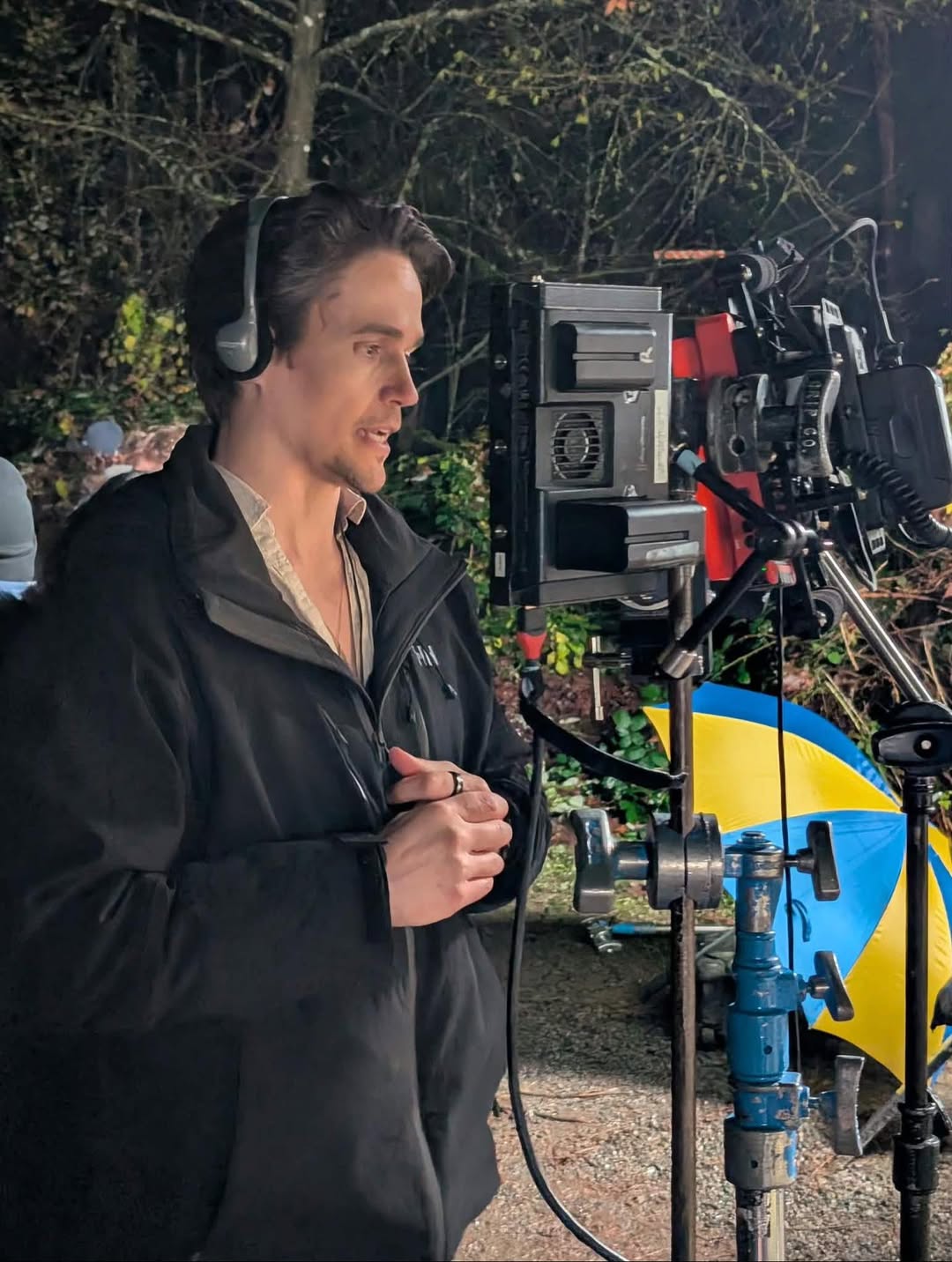
Beneath Crimson Sails: How the First Pirate Vertical Was Born from Fan Inspiration
posted on Jan 15, 2026
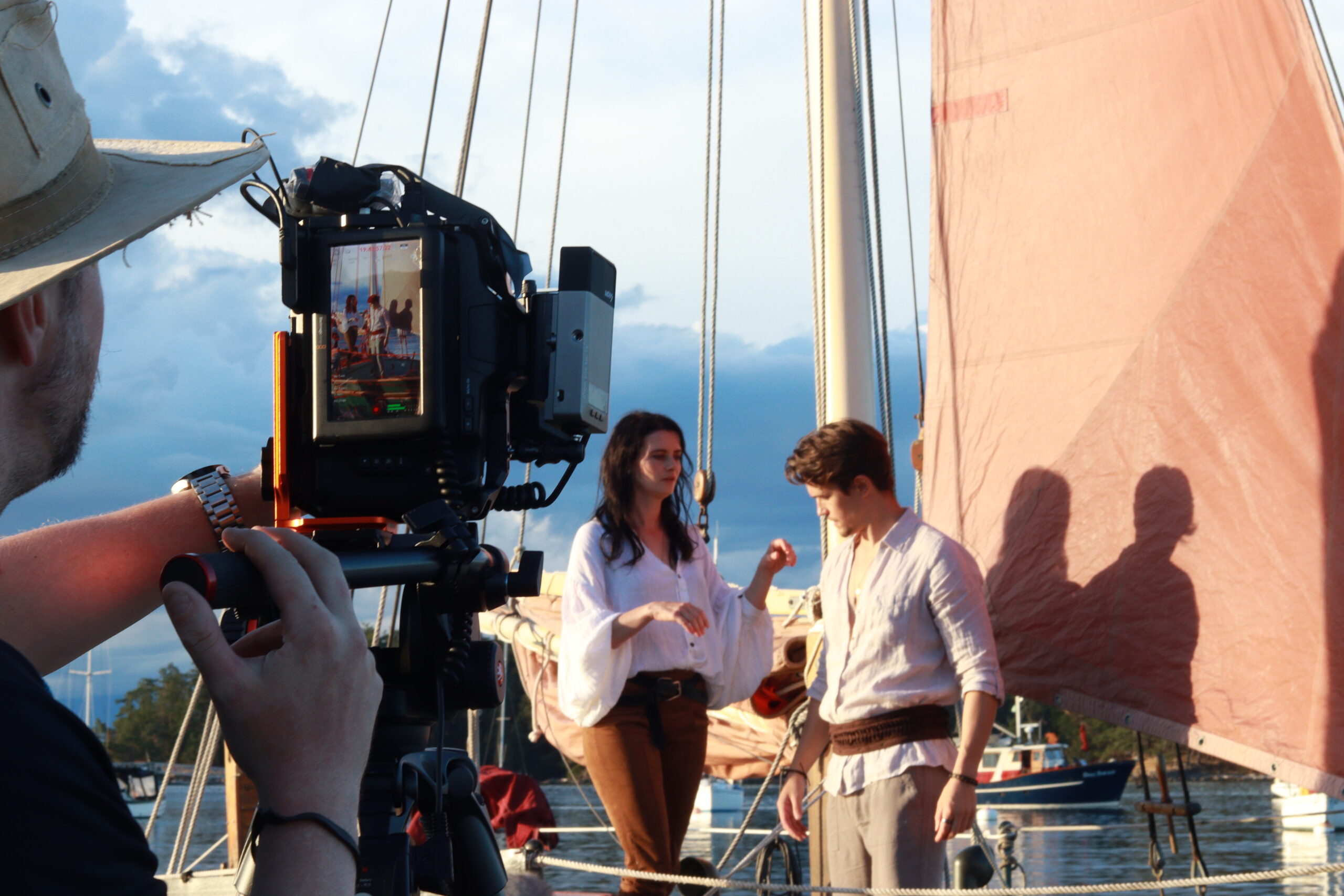 source: Julie Bruns
When Fan Ideas Become Verticals: The Story Behind Beneath Crimson Sails
In VertiLand, trends often move fast — but true innovation usually starts with a simple question: what haven’t we seen yet?
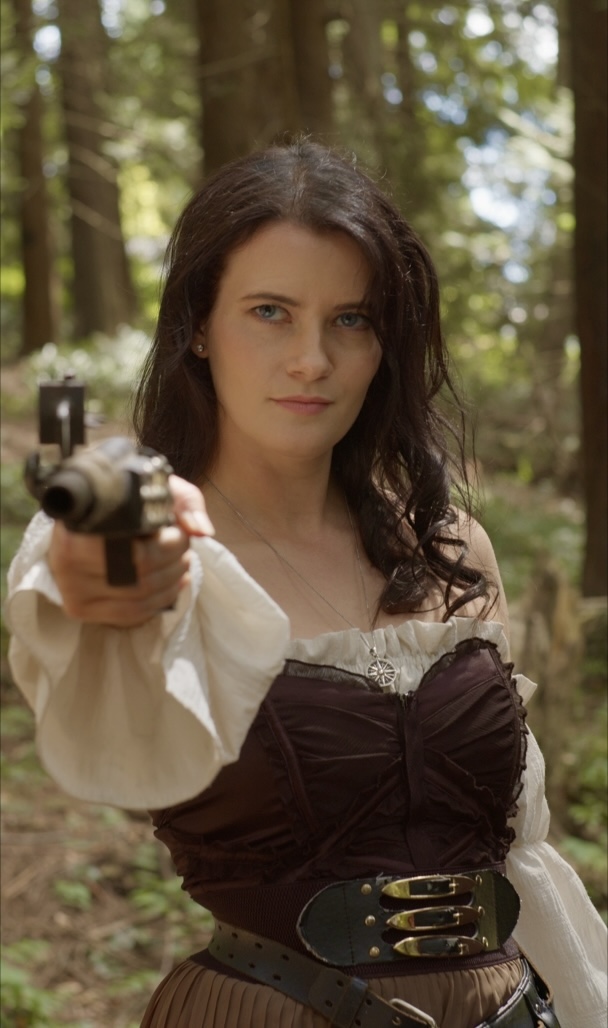
Beneath Crimson Sails stands out as a milestone in Vertical storytelling. As the first pirate-themed Vertical series, it proves that even traditionally “high-budget” genres can find a place in short-form, mobile-first narratives when creativity leads the way.
The project began in an unexpected place: fan conversations. Inspired by posts from @verticaldramalove imagining pirates in the Vertical format, writer and creator Julie Bruns took the idea seriously — and turned it into a fully realized series. Drawing from classic adventure influences and an indie filmmaking mindset, Beneath Crimson Sails embraces risk, experimentation, and community-driven inspiration.
In the interview below, Julie shares how the idea came to life, why the team chose an independent production path, the challenges of adapting a seafaring genre to Vertical storytelling, and what it takes to balance romance, drama, and adventure in a fast-paced format. She also offers insight into the realities of indie production — from tight schedules and weather constraints to the collaborative effort behind bringing an ambitious world to the screen.
Interview with Julie Bruns
Beneath Crimson Sails is the very first pirate-themed Vertical — what inspired you to bring this genre into VertiLand?
Honestly, it was @verticaldramalove, Jen Cooper’s, posts about a pirate vertical that kicked this whole thing off, and got me inspired to start on a script. The Princess Bride was a staple of my childhood, and I was a huge fan of Pirates of the Caribbean when it came out, so a pirate vertical was so exciting to me.
What made you decide to take the indie route to produce this series instead of partnering with an established platform from the start?
We really wanted to create something a little different with the story, and indie gave us the option to try some new things in vertical storytelling, and take risks that I don’t know that we would have been able to otherwise. It also meant that we didn’t have to wait for anything, we could start as soon as we locked a script.
Can you share the initial spark that led to the creation of this story?
As I mentioned, it was really Jen Cooper’s posts that inspired me to start writing (there may or may not be a character named after her). But before jumping into it ourselves, I remember being on a few different sets where I casually mentioned to the producers, “Hey… so… a pirate vertical would be pretty cool.” And the answers were generally “Oh, absolutely.” But then it wouldn’t go any further, largely because I think it’s a particularly challenging genre to do in a vertical. It’s got action, stunts, boats, period costumes and set design, very particular, detailed sets, all of these things that make filming—especially on a tight budget—quite tricky. Of course, coming from an indie filmmaker background where we were so used to doing so much with so little, we just took it as a challenge. Figuring out how to do it was absolutely part of the fun.
As the writer, how did you balance the pirate adventure elements with the romance and drama that Vertical audiences love?
I honestly feel like romance and pirates are such a good pairing. Pirates tend to be a bit high-drama. Curses and treasures and lost romance and secrets. Walking the plank? You can’t tell me that wasn’t meant to be in a vertical.
Did you do any research on pirate lore or history to shape your story, or was it more inspired by fantasy and existing media?
Oh, I definitely had a pirates phase as a kid, so had a bit of a base of lore already (I distinctly remember baking a batch of truly inedible “pirate biscuits” for my family when I was about 10). My partner, Steven Kammerer (who also plays Silas), also is a huge history buff and definitely the research engine of the writing team. The curse and magic elements in the story are actually largely drawn from historically accurate treasure lore—if anyone happens to be an esoterica geek, you may catch some fun nerdy references.
What was the biggest challenge in adapting such an epic, seafaring genre into the short, fast-paced Vertical format?
Capturing the electric, fast pacing of the vertical format is always a fun challenge. It’s like trying to catch lightning in a bottle.
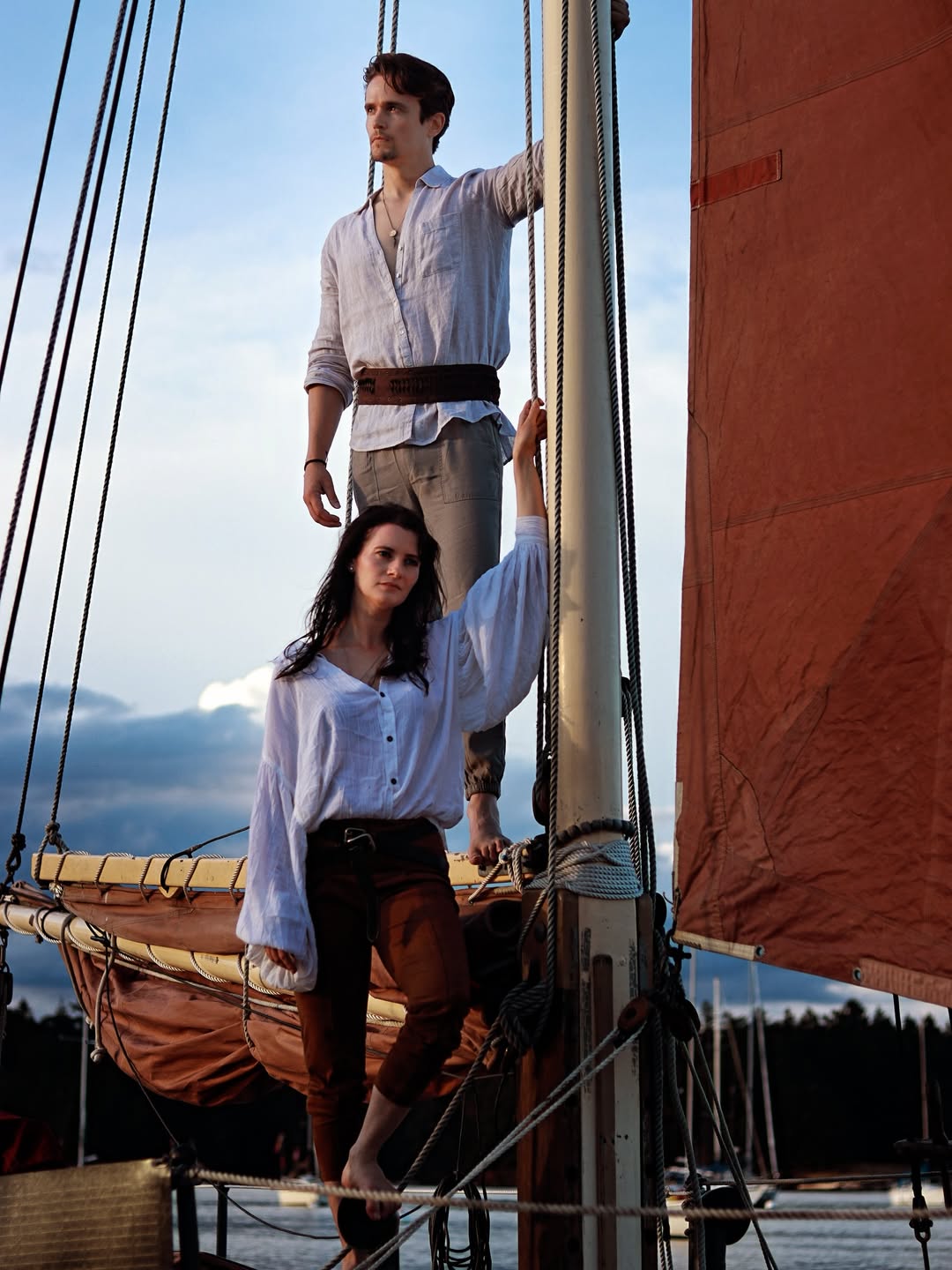
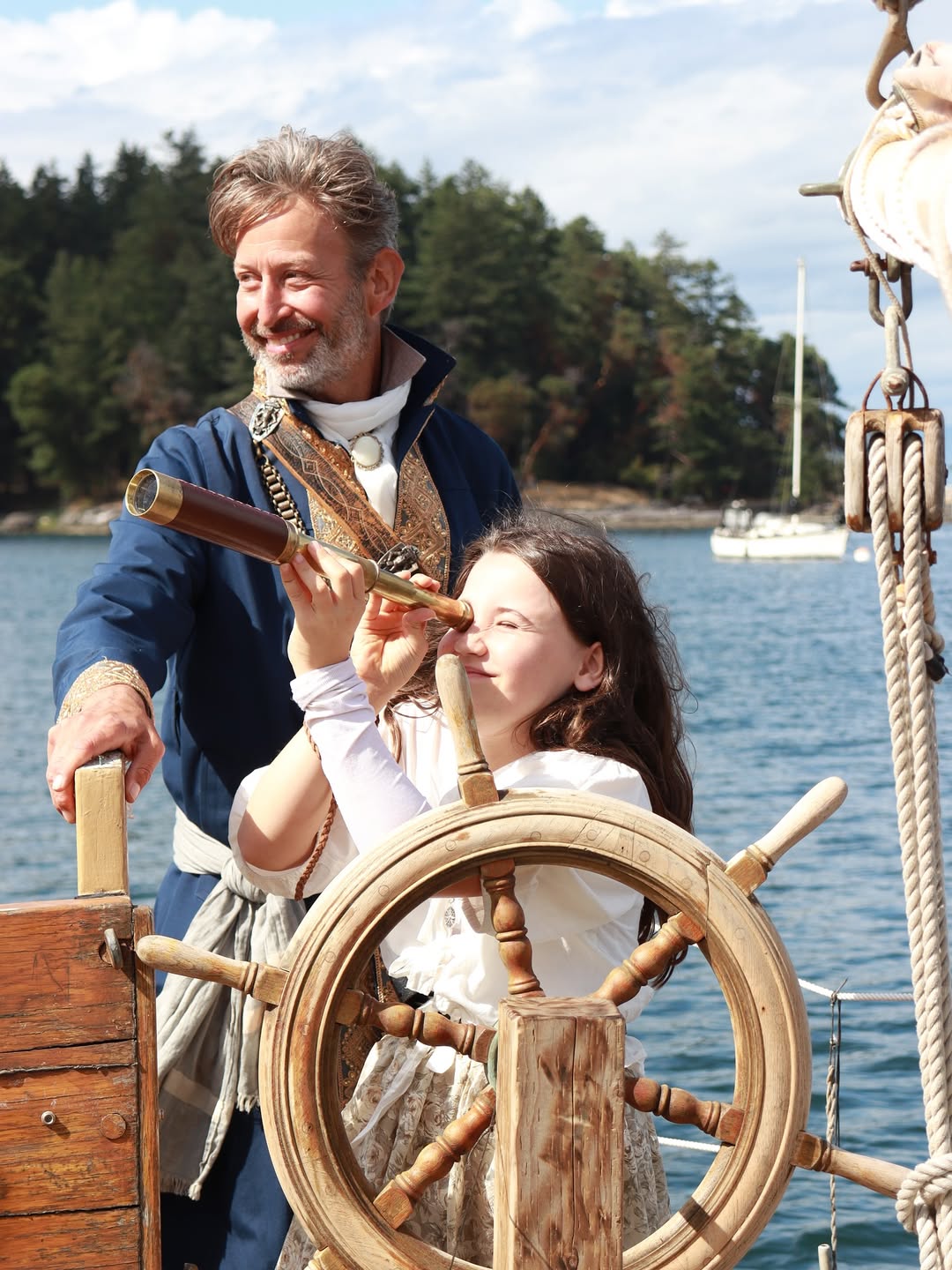
Also, the fact that we had such unusual sets, we were on ships and swimming in the ocean, and the team even built an incredible pirate town.
Did writing the character for yourself give you more freedom, or did it create pressure to meet your own vision?
Oh, absolutely both. It was both this wonderful opportunity to explore a whole new twist on a vertical heroine, while also continually hoping that I was bringing her to life in the best possible way. Also, we were such a small crew much of the time, producing and wearing a lot of hats added a whole other layer of complexity to things. I definitely had a bit of brain mush by the end of things.
How did you prepare to bring your character to life, especially in such a unique setting?
I always feel lucky when I’ve written the character I’m playing, because so many of the deep character questions are things I’ve already grappled with and discovered during the writing process. And then some of it is just discoveries you make in the moment, especially when you have amazing scene partners giving you such great choices to play off of. Nic and Lyra and Steve and…actually if I start I’ll just end up listing everyone. I was so thrilled and blown away by the performances that every single person brought to this project.
How many episodes are filmed already?
We’re all wrapped on filming! I think we ended up at 42 episodes… Absolutely can’t wait to see the final version all done and polished now.
What was the biggest challenge of bringing the pirate world to life until now?
I think mostly that we ended up racing the weather. We started with filming the first 10 episodes in August, just thinking in terms of finishing a proof of concept. Then in September we released the first teaser trailer, and the reception was so incredible that we all just went… we have to make this whole thing.
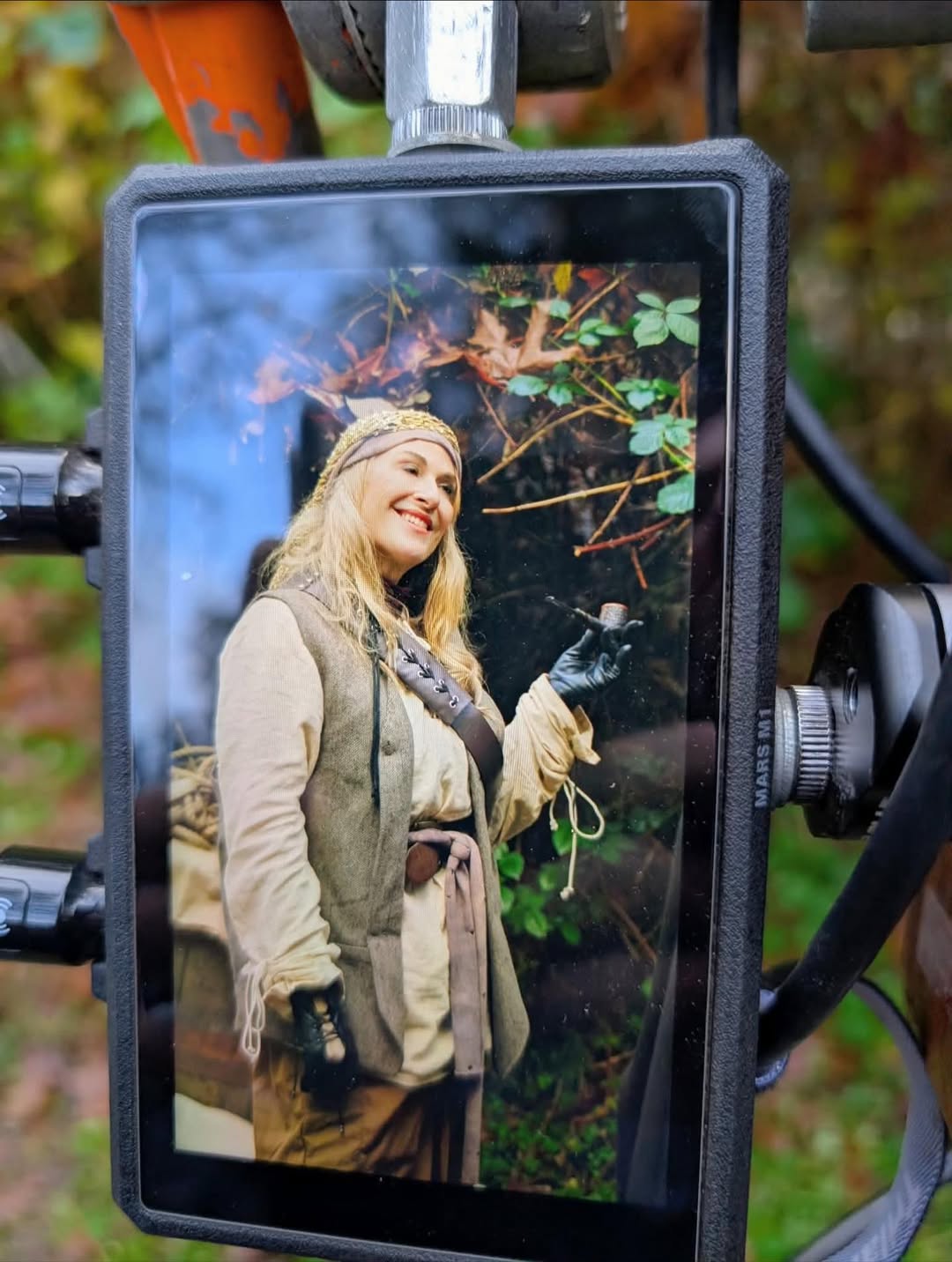
So back to camera we went in October, determined to finish the entire show before winter. However, because we hadn’t planned it that way, it ended up various team members were booked on other verticals, so we had to do a bit of schedule Jenga, and film it in 4 or 5 different sessions. So we were suddenly racing the rainy, chilly autumn and winter weather here in Vancouver. Our last day was in the last week of November, and it was quite nippy and drippy. I think we were all especially thrilled when we called show wrap that day. We made it!
Do you already see potential for a Part 2 or a larger universe around this story?
Oh, I’d love that. I don’t know what the story is exactly yet, but I have a very distinctive opening scene in my mind for season 2. 😉
What’s the current roadmap for continuing or expanding the series?
Right now, we’re just focussed on post-production and making it as good as it possibly can be, and getting it out for people to watch. From there, we’re hoping that it proves successful enough that we can get a bit more properly funded for season 2. There’s so much we’d love to do with just a slightly bigger budget.
I think the key really is how this first indie season is received, so very much hoping that it resonates with fans, and it gets shared and watched enough to solidify that second season. We’re not at all done with Rob and Catherine and Belle yet!
Is there something we haven’t covered that you’d like readers to know about the project?
Just how incredible the team was behind this. Everyone gave it their absolute all. The reason that this vertical looks the way it does is absolutely because of the utter talent of these amazing human beings.
And also how much love for the fans there’s been on this set. I so want the fans to know that creatives are listening to them and trying to make something special, especially with indie projects like this one. Keep talking about what you want to see out there, and supporting the stories you love. We couldn’t do this without you, and we are so deeply thankful.
Beneath Crimson Sails is more than a genre experiment — it’s a case study in what Vertical storytelling can become when creatives listen closely to their audience and are willing to push beyond familiar formulas.
As Julie Bruns makes clear, this project was fueled by collaboration at every level: writers, performers, crew, and fans alike. Choosing the indie route allowed the team to take creative risks, move quickly, and build a pirate world that feels both cinematic and distinctly Vertical — despite logistical challenges like ocean shoots, period costumes, and unpredictable weather.
With filming now complete and post-production underway, the future of Beneath Crimson Sails will largely depend on how audiences respond. There is already a vision for what could come next, but like many indie Vertical projects, continued expansion relies on visibility, engagement, and support.
Perhaps most importantly, this series highlights a growing truth within VertiLand: fan voices matter. Ideas shared online can shape real productions, influence creative decisions, and open the door to new genres entirely.
For industry professionals, Beneath Crimson Sails offers a compelling example of how Vertical storytelling can evolve — not by following trends, but by daring to chart new waters.