I Love Verticals

Digital Performance Lab & Vertical Storytelling: Training Actors for the Future

posted on Jan 26, 2026
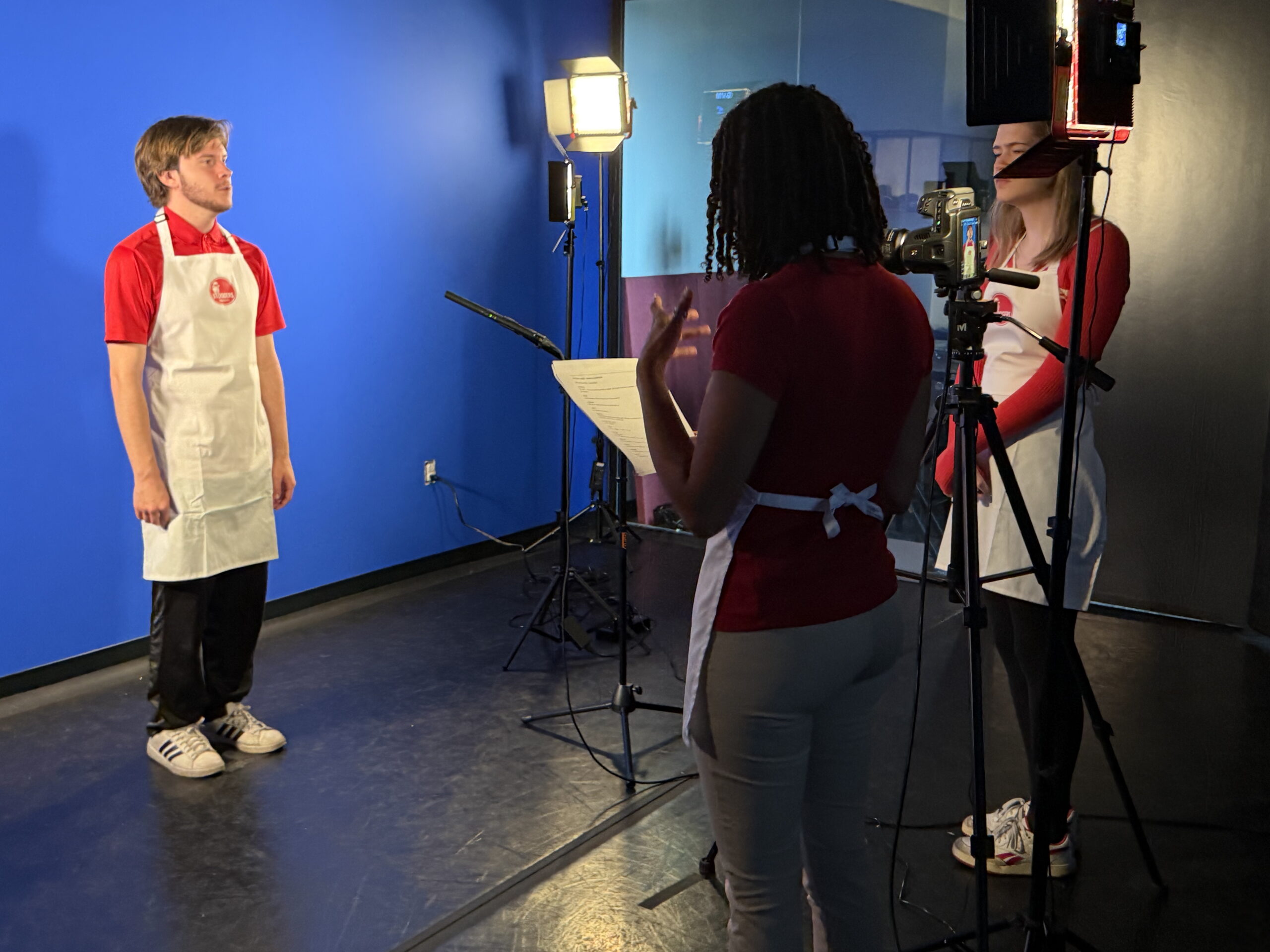
UC DP Lab Bryce Nevison, Jordyn Hill, Mallory Bolser / source: D'Arcy Smith

Vertical storytelling is no longer a niche experiment — it’s becoming a training ground, a testing space, and for many performers, a genuine career pathway. As demand for micro-dramas and vertical series continues to grow, the question is no longer if this format matters, but how performers and institutions are adapting to it.

That’s where the Digital Performance Lab (DP Lab) at the University of Cincinnati comes in. Designed to bridge the gap between academia and industry, the DP Lab explores how actors can train, perform, and thrive across emerging digital formats — from vertical storytelling to motion capture, voice-over, and beyond.

In this Feature FanTalk, I spoke with D’Arcy Smith, Director of the Digital Performance Lab, about why vertical storytelling has earned a place in academic curricula, how performance techniques must evolve for short-form digital formats, and what this shift means for the future of actors entering the industry today.

From analytics-driven storytelling to the rise of actor-centered fan bases, this conversation offers a rare look at how education, performance, and digital media are intersecting — and why vertical storytelling deserves to be taken seriously.
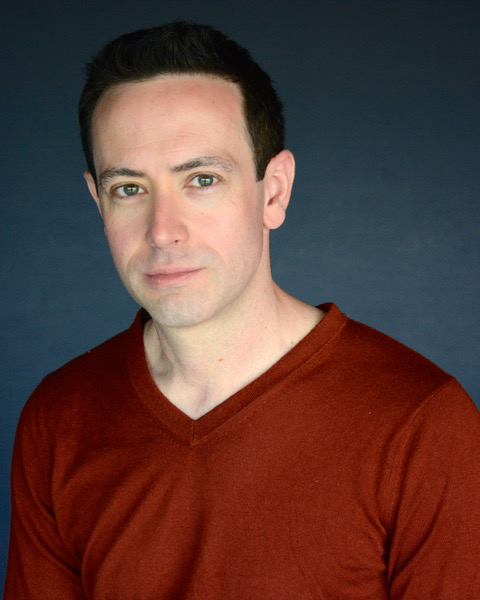
D'Arcy Smith D'Arcy Smith, Director of Digital Performance Lab
“Actors are now drawing their own fans. Those fans are becoming loyal to the actor, not just the platform. That’s a star system in the making.”

D’Arcy Smith

Interview with D'Arcy Smith

What inspired the creation of the Digital Performance Lab, and how did vertical storytelling become part of the curriculum?

The Digital Performance Lab came from the need to train actors beyond theater in a variety of digital mediums. To do this we needed a dedicated place that had film, voice over, animation, and motion capture capabilities. Training and producing our own vertical shorts was a logical step seeing how the demand for actors in vertical shorts has exploded.

How does training for vertical/micro-drama formats differ from traditional film or stage acting?

The frame and shot size are the first considération in the performance for the actor. There tends to be wider shots so physicality and body language become more important. The scripts style of microdramas demands that the actor commit to the bold choices and emotional stakes in the writing itself. Actors can’t warmup into the scene. They need to commit fully to situation however over the top it might seem.

What skills do actors gain from working in verticals that are especially valuable in today’s industry?

Making strong choices and commiting to their character and the emotions of the character is essential. While this is true for other mediums it is even more so.

How involved are students in the full creative process (writing, producing, editing, acting)?

At the moment the students and recent graduates help with production, editing, and current students are the actors. We are planning to expand this and collaborate with industry and platforms in future projects.

Vertical storytelling is often dismissed as “lesser” than traditional formats. How do you address that perception in an academic setting?

The huge advantage I have seen in this industry is the access it has given to younger lesser known actors. In the past the traditional system would take years for an actor to get the volume of work and experience, where now they can learn faster. My own students get to experience what it is like to play a character over a series of episodes, rather than one scene or short film.

What do you think verticals are teaching the industry about story efficiency, performance, and audience engagement?

The data that is collected from those watching vertical shorts is a real game changer. Knowing when a viewer leaves the app or continues to watch and exactly when gives the platform a real idea about what grips people and what doesn’t. I myself have been frustrated to watch a new series on Netflix and invest time into the story and characters only to have it be cancelled or have to wait 2 years for the next season. Vertical shorts are satisfying in that they complete the whole season.

Do you see this format as a stepping stone, a parallel path, or a long-term career option for actors?

A year ago I would have said this was a stepping stone. But actors are now drawing their own fans. Those fans are becoming loyal to the actor, not just the platforms. That is a star system in the making, if not already fully present.

You’re experimenting with genres like murder mystery, medical procedural, sitcom, and fantasy, what has surprised you most so far?

I thought that comedy would be a bigger draw, but the murder mystery and fantasy were much more popular from an analytics side.

How do genre constraints change when stories are told in very short, vertical episodes?

Stories that take time to build character and more nuanced subtle performances will need a viewer that has the time and attention span to take in those kinds or stories and performances. I think that is still being discovered. We’ll see !

What excites you most about the projects currently in development?

I am working on a few projects now that explore how we interact with these stories, and we’re in discussion with a few platforms to produce work.

What kind of actors or creatives thrive the most in this program?

I think those who are wiling to try something new, who like to work fast and delve quickly and deeply into their character will love this work.

If a student is curious about verticals but unsure, what would you tell them?

I would start by watching them. Watch a variety of genres. Try making your own!

What stands out most from this conversation with D’Arcy Smith is not just how vertical storytelling fits into actor training — but how naturally it does. The Digital Performance Lab isn’t treating verticals as a trend to tolerate, but as a format that demands precision, bold choices, and a deep understanding of audience engagement.

As D’Arcy explains, vertical storytelling offers something traditional pipelines rarely could: volume, speed, and continuity. Actors aren’t waiting years between roles — they’re learning by doing, building characters across episodes, and developing a relationship with audiences in real time. That shift alone has profound implications for how performers build careers moving forward.

Perhaps most compelling is the idea that vertical storytelling is no longer just a stepping stone. With actors cultivating their own loyal fan bases, the format is helping shape a new kind of star system — one driven by performance consistency and audience connection rather than platform prestige alone.

The work happening at the Digital Performance Lab reflects a broader evolution in the industry: one where education adapts to reality, technology informs storytelling, and performers are empowered to meet the demands of a fast-moving digital landscape.

As vertical storytelling continues to expand, conversations like this remind us that innovation doesn’t happen in isolation — it happens where curiosity, training, and creative risk intersect.

Follow on Instagram

darcysmithdirector digitalperformancelab