Being a Fan Part 3: Why Privacy Matters in Vertical Drama Fandoms
posted on unsplash by Anthony Delanoix
Being a Fan – Part 3: Privacy Matters
Welcome back to FanTalk.
This is Part 3 of Being a Fan — and if you haven’t read Parts 1 and 2 yet, I strongly recommend starting there. In those, we talked about parasocial relationships, respect, and how fandom dynamics can sometimes blur important lines.
Today, we’re going one step further.
Today, we’re talking about privacy.
Fans & Creators: A Privileged Space
One of the most beautiful things about the vertical drama space is how accessible it feels. Many actors, writers, directors, and creatives interact with fans directly — liking comments, replying to DMs, sharing behind-the-scenes moments.
That is a privilege.
Not a right.
A small reminder:
Creators do not have to reply. And often, they simply can’t.
They are busy. They receive hundreds (sometimes thousands) of notifications. And just like us, they have lives outside social media. If they reply to you — that’s wonderful. If they don’t — please don’t take it personally.
And one important thing:
A reply, a like, or a DM is not a trophy.
Bragging about interactions can unintentionally hurt others who didn’t get a response. Support is not a competition. Creators appreciate all fans — whether they respond or not.
The Core Issue: Privacy
Being an actor or public figure does not mean giving up privacy.
Yes, many creatives choose to share parts of their lives online — and we love that. But sharing is a choice, not an obligation. There are boundaries, and they matter.
You might feel familiar with someone because you follow them, watch their work, or interact online. But remember:
They don’t know you — and that’s okay.
They are not your friends.
They are creators you admire.
That distinction is healthy.
What Is Not Okay
This may sound extreme, but unfortunately, it happens more often than you think.
❌ Asking about their romantic relationships or sexuality
❌ Offering to buy underwear or intimate items
❌ Offering money for private photos
❌ Sending unsolicited personal or explicit pictures
Even managing fanpages, I receive messages asking for private information about actors. Let me be very clear:
I do not have that information — and even if I did, I would never share it.
Asking for it is inappropriate.
Offline Boundaries Matter Too
Creators also get to choose what they share — and what they don’t.
That means:
-
Don’t stalk
-
Don’t look for private phone numbers or addresses
-
Don’t try to “accidentally” run into them
-
Don’t invade their personal space in public
If you see a creator in real life:
-
Don’t run toward them
-
Don’t scream
-
Don’t take photos without consent
-
If they’re with friends or family, leave them alone
Respect costs nothing.
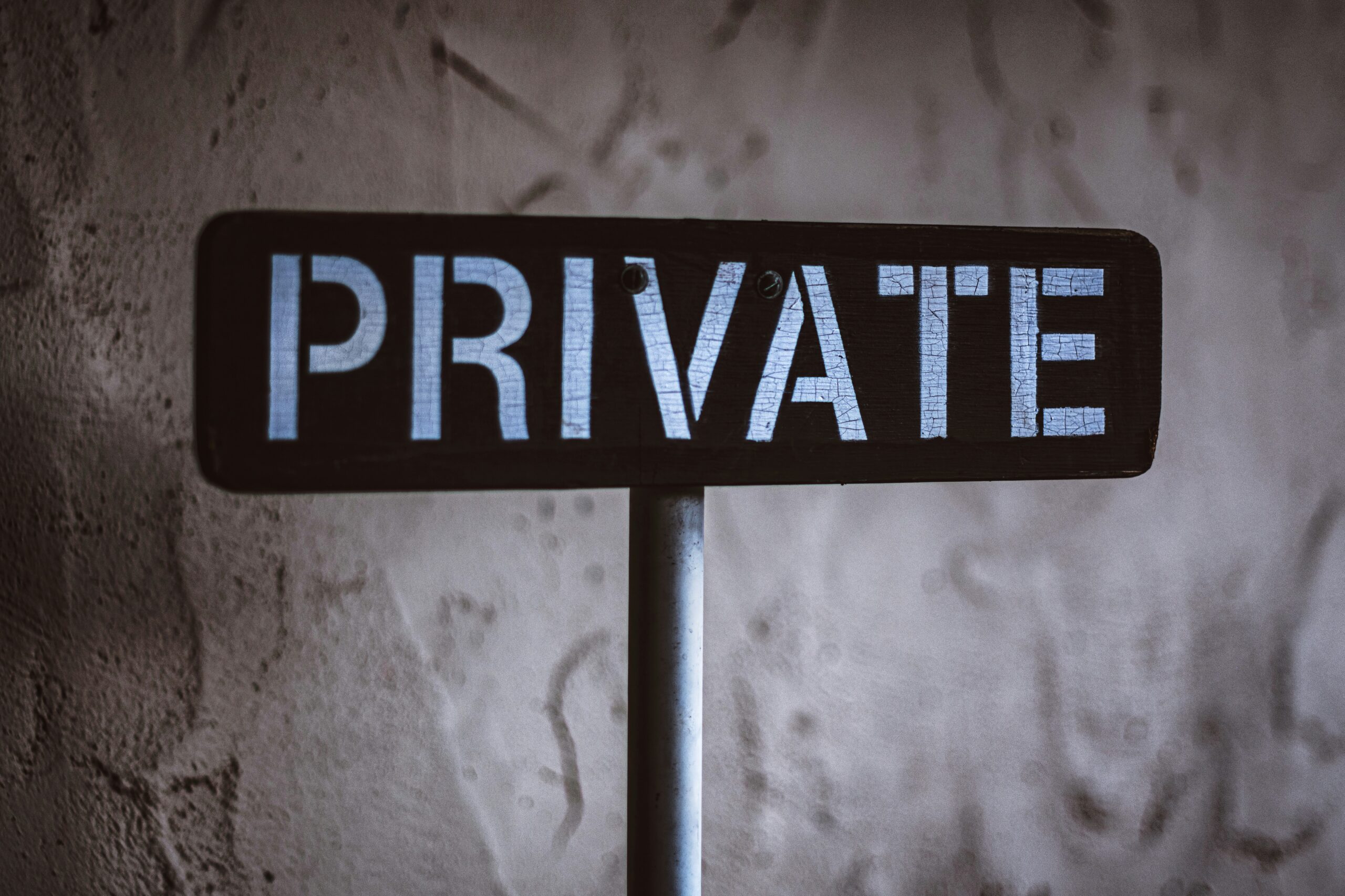 unsplash by Tim Mossholder
Some creatives have emails or phone numbers listed for professional reasons. Using that information to send personal messages is not support. It’s harassment.
Public Information ≠ Free Access
Just because information exists online doesn’t mean it’s fair game.
Some creatives have emails or phone numbers listed for professional reasons. Using that information to send personal messages is not support.
It’s harassment.
Creators are entitled to:
-
A private life
-
Time offline
-
Relationships and activities they don’t share publicly
They deserve a safe distance between work and personal life.
Why This Matters
When boundaries are crossed, creators pull back.
They stop engaging.
They protect themselves.
And honestly? I don’t blame them.
Seeing screenshots of inappropriate messages, stalking behavior, or entitlement makes me angry — because this isn’t fandom. It’s harassment.
We can love someone’s work without invading their life.
Final Thoughts
Being a fan is a beautiful thing.
Supporting creators is amazing.
But fandom should never come at the cost of someone’s safety, comfort, or privacy.
Respect boundaries.
Protect the space.
Be the kind of fan you’d feel safe interacting with.
That’s how fandom stays healthy. 💛